Service Request
 Sales Enquiry
 Customer Reviews
 Register for Updates
 Distributor Portal

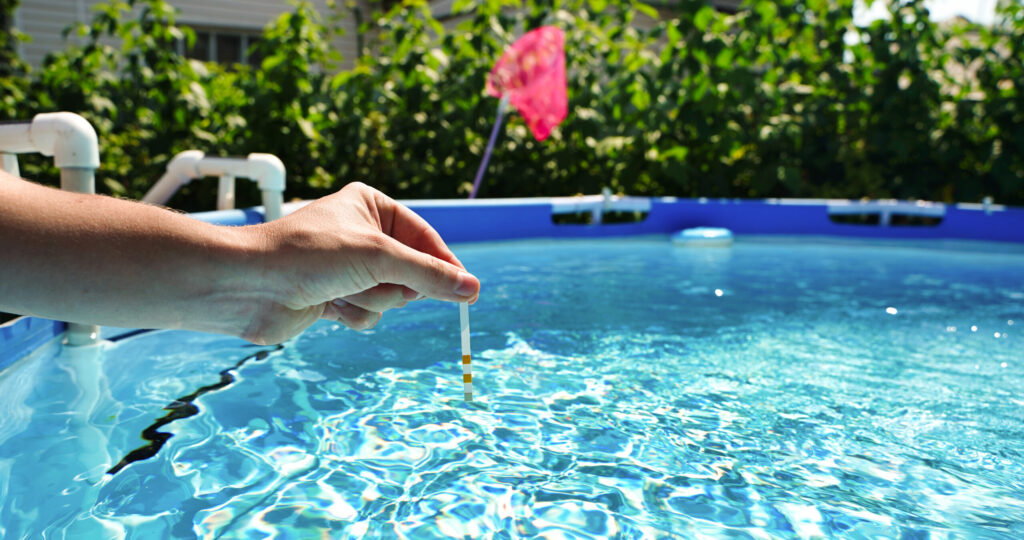
Swimming pools are an important facility in hotels, resorts and hospitality properties. Maintaining clean, balanced and safe pool water is essential for guest comfort, effective pool maintenance and equipment protection. Regular water testing helps hotel operators monitor disinfectant levels, pH balance and other important water quality parameters.
Choosing the right swimming pool water testing equipment for hotels and resorts makes routine monitoring easier and helps maintenance teams identify water quality problems before they become bigger issues.
From portable pool testers to digital photometers, modern water testing instruments help hospitality businesses maintain consistent pool water quality. Explore our swimming pool water testing solutions to understand the available instruments for routine pool water monitoring.
Why Is Regular Swimming Pool Water Testing Important for Hotels and Resorts?
Hotels and resorts often experience changing swimming pool usage depending on occupancy, weather conditions and guest activities. These factors can affect water chemistry and increase the need for regular testing.
Routine swimming pool water testing helps facility managers:
- Monitor free chlorine and total chlorine levels.
- Maintain the required pH range according to applicable standards.
- Identify changes in water chemistry.
- Support effective swimming pool disinfection.
- Reduce the risk of corrosion and scale formation.
- Maintain consistent pool maintenance records.
- Improve guest confidence in swimming pool hygiene.
A proper pool water testing schedule also helps maintenance teams take timely corrective action when test results fall outside the required operating limits.
Understanding the Latest BIS Standard for Swimming Pool Water: IS 3328:2026
The Bureau of Indian Standards (BIS) has introduced IS 3328:2026 – Quality Requirements of Water for Swimming Pools (Second Revision), updating the earlier IS 3328:1993 standard.
The revised Indian Standard was established on 27 February 2026 and supersedes the previous edition. It specifies water quality requirements for continuous-circulation swimming pools.
For hotels, resorts, swimming pool operators and facility management teams, understanding the updated BIS standard is important for maintaining appropriate swimming pool water quality.
Important Considerations Under IS 3328:2026
1. Swimming Pool Water Quality Requirements
Pool operators should monitor water quality parameters and compare their results with the applicable requirements specified in IS 3328:2026.
2. Disinfectant Monitoring
Regular monitoring of disinfectant levels is important for evaluating swimming pool treatment effectiveness. Free chlorine and total chlorine testing can help maintenance teams assess the pool’s disinfection conditions.
3. pH Monitoring
Maintaining appropriate pH levels is important for water balance, swimmer comfort and disinfectant performance. Pool operators should use suitable testing instruments to monitor pH regularly.
4. Physical and Chemical Water Quality
Swimming pool water management should include monitoring the relevant physical and chemical characteristics specified by the applicable standard. Testing procedures should be selected according to the parameters being evaluated.
5. Regular Water Quality Monitoring
Hotels and resorts should establish a documented testing schedule, maintain water quality records and take corrective action whenever test results do not meet the applicable requirements.
6. Suitable Water Testing Equipment
Using appropriate water testing instruments helps pool maintenance teams measure relevant parameters and maintain reliable testing records. Instruments should be selected based on their measurement capabilities, ranges and suitability for the required test methods.
Following IS 3328:2026 can help swimming pool operators establish a more structured approach to water quality management. Operators should refer to the official BIS document for the complete requirements and applicable test methods.
What Parameters Should Hotels and Resorts Test in Swimming Pool Water?
Swimming pool operators should monitor multiple water quality parameters rather than depending on a single measurement.
1. Free Chlorine
Free chlorine is the active disinfectant available in swimming pool water. Measuring free chlorine helps operators understand whether adequate disinfection is being maintained.
A reliable free chlorine test kit or digital pool photometer can help maintenance teams monitor chlorine levels during routine inspections.
2. Total Chlorine
Total chlorine represents the combined free and combined chlorine present in pool water. Comparing free and total chlorine readings helps operators assess combined chlorine levels.
3. pH Level
Pool water pH influences chlorine effectiveness and swimmer comfort. If pH moves outside the applicable operating range, pool operators may need to adjust the water chemistry.
A digital pH meter or suitable pool testing instrument can support regular monitoring.
4. Cyanuric Acid
Cyanuric acid is used as a chlorine stabiliser in outdoor swimming pools. Monitoring its concentration helps operators manage chlorine stabilisation and avoid excessive levels.
5. Alkalinity
Total alkalinity helps maintain pH stability in swimming pool water. Regular testing helps identify conditions that may cause frequent pH fluctuations.
6. Water Hardness
Calcium hardness monitoring helps pool operators manage the risk of scale formation and corrosive water conditions.
The specific parameters and acceptable limits should be checked against the current BIS standard and the pool’s treatment requirements.
Types of Swimming Pool Water Testing Equipment for Hotels
Hotels and resorts can select different testing instruments depending on pool size, testing frequency, operational requirements and the parameters they need to measure.
Digital Swimming Pool Photometers
Digital photometers measure selected water parameters using photometric testing methods. They provide numerical readings that help pool maintenance teams monitor water chemistry.
These instruments are useful for hospitality facilities that require repeatable measurements and more detailed water testing.
Portable Swimming Pool Testers
Portable pool testers are designed for convenient testing near the swimming pool. They are useful for routine checks by maintenance personnel.
A portable tester can help operators assess selected parameters without having to send every routine sample to an external laboratory.
Pool Water Test Kits
Chemical test kits provide a practical way to check selected swimming pool parameters. They can be suitable for routine maintenance checks when used according to the manufacturer’s instructions.
Hotels can also explore water testing equipment and test kits for different water analysis applications.
Digital pH and Conductivity Meters
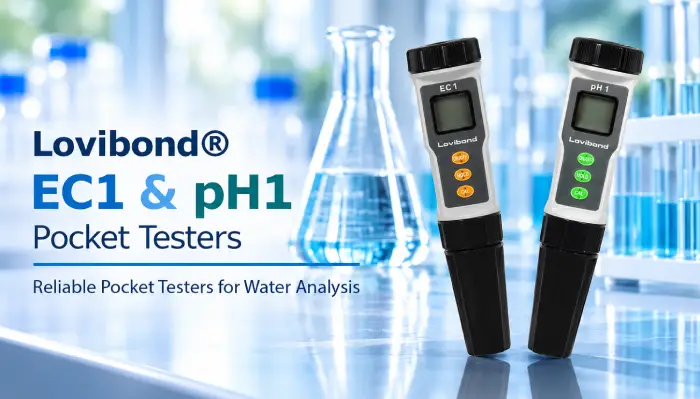
Digital meters help monitor pH and conductivity where these measurements are relevant to the facility’s water management programme. They complement, rather than replace, appropriate disinfectant testing.
How to Choose the Right Swimming Pool Water Testing Equipment for a Hotel or Resort
Selecting suitable swimming pool testing equipment depends on the property’s operational requirements.
Consider these factors before purchasing:
- Testing Parameters: Choose equipment that measures the parameters required for your pool and water quality monitoring programme.
- Testing Frequency: Hotels with high pool usage may need instruments that support frequent routine measurements.
- Ease of Operation: Select equipment that trained maintenance personnel can use correctly and consistently.
- Measurement Accuracy: Consider the instrument’s measurement range, resolution, approved test methods and calibration requirements.
- Portability: Portable instruments are useful when multiple pools or testing locations need to be monitored.
- Reagents and Accessories: Check the availability of compatible reagents, test accessories and replacement components.
- Data Management: For facilities maintaining detailed testing records, consider instruments with suitable data storage or transfer capabilities.
- Standard Compatibility: Check whether the instrument’s supported parameters and testing methods are suitable for the requirements of IS 3328:2026.
How Often Should Hotels Test Swimming Pool Water?
The testing frequency depends on pool usage, disinfectant systems, local regulations and operating conditions.
A practical monitoring schedule should include:
- Routine checks of disinfectant levels and pH during operating hours, at frequencies required by applicable regulations.
- Additional testing during periods of high guest activity or heavy rainfall.
- Testing after chemical treatment or significant water replacement.
- Periodic checks of alkalinity, hardness and stabiliser levels according to the pool maintenance programme.
Hotels should follow applicable public health requirements, IS 3328:2026 where applicable, and pool chemical manufacturers’ instructions. Test results and corrective actions should be documented for future reference.
How Lovibond® Helps with Swimming Pool Water Testing
Lovibond® provides water analysis instruments and testing solutions for different water quality applications.
For swimming pool operators, the Lovibond® Scuba3s Pool Tester is a portable digital instrument designed for selected swimming pool water parameters.
It supports convenient poolside testing and helps users obtain numerical test results for routine water monitoring.
The Scuba3s digital pool tester offers convenient measurement of selected swimming pool water parameters, supporting routine poolside monitoring.
For hotels and resorts working towards the water quality requirements outlined in IS 3328:2026, suitable testing instruments can support regular monitoring of relevant parameters.
The appropriate instrument and test parameters should be selected according to the pool’s requirements and the applicable testing methods. Instrument suitability should be verified against the individual requirements of the standard.
Explore Lovibond® water testing solutions to identify suitable instruments for your water analysis requirements.
Best Practices for Swimming Pool Water Quality Management
Hotels and resorts can improve their pool water monitoring procedures by following these practices:
- Establish a documented pool water testing schedule.
- Refer to IS 3328:2026 for applicable water quality requirements.
- Use compatible reagents and follow the specified test procedures.
- Clean testing equipment after use.
- Store reagents according to manufacturer recommendations.
- Train pool maintenance personnel in correct testing procedures.
- Record test readings and chemical adjustments.
- Investigate unusual readings and repeat tests when necessary.
- Follow local swimming pool health and safety regulations.
Consistent monitoring helps facility managers maintain better control over swimming pool water quality. Learn more about swimming pool water quality analysis and the importance of monitoring relevant pool water parameters.
Frequently Asked Questions
1. What is IS 3328:2026 for swimming pools?
IS 3328:2026 is the Indian Standard titled Quality Requirements of Water for Swimming Pools (Second Revision). Published by the Bureau of Indian Standards, it specifies water quality requirements for continuous-circulation swimming pools.
2. What is the difference between IS 3328:1993 and IS 3328:2026?
IS 3328:2026 is the second revision of the Indian Standard, superseding the earlier IS 3328:1993 edition. Pool operators should refer to the latest edition for current water quality requirements.
3. Why is IS 3328:2026 important for hotels and resorts?
It provides a revised Indian Standard for swimming pool water quality. Understanding its requirements helps hotels and resorts develop appropriate water testing and monitoring procedures.
4. Which water parameters should hotels monitor in swimming pools?
Hotels should monitor relevant parameters such as free chlorine, total chlorine and pH. Depending on the pool treatment system and applicable standard requirements, they may also need to test cyanuric acid, alkalinity and calcium hardness.
5. What is the best swimming pool water testing equipment for hotels?
The right equipment depends on pool size, testing frequency and required parameters. Digital photometers, portable pool testers and chemical test kits are common options for hotel swimming pool maintenance.
6. Why is a digital pool photometer useful for resorts?
A digital pool photometer provides numerical measurements for supported water parameters. It can help maintenance teams perform routine testing and maintain consistent water quality records.
Conclusion
Selecting suitable swimming pool water testing equipment for hotels and resorts is an important part of effective pool maintenance. With the introduction of IS 3328:2026 (Second Revision), understanding the updated Indian Standard is an important consideration for swimming pool operators.
Regular monitoring of chlorine, pH and other relevant parameters helps facility managers identify water quality changes and maintain appropriate operating conditions.
With suitable testing instruments, trained personnel and a documented monitoring schedule, hotels and resorts can improve their swimming pool water management practices.
Discover Lovibond® swimming pool and recreational water testing solutions for hotels, resorts and other pool facilities.